WHY SHOULD I CARE ABOUT MY BONE HEALTH?
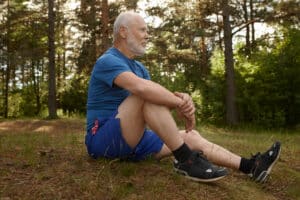
As we age most people develop a fear of falling and breaking bones. This article will be a brief overview of why these fears are valid and what can be done to strengthen aging bones.
From infancy until our early 20s bones develop, until they reach peak bone mass – meaning they are strong, dense and less likely to fracture. When bone loss outpaces bone renewal, it results in Osteopenia or Osteoporosis. Both are conditions that lead to loss of bone density. The difference is in the severity of the loss. This is determined by a Bone Density test, a brief and painless test. 1 in 3 women and 1 in 5 men over 50 will suffer a bone fracture due to osteoporosis.
What can happen when bone density decreases? A fall or even bending or twisting improperly can cause a fracture, which can be extremely painful, slow to heal and often life changing. Most fractures occur in the hip, spine or wrist. Hip fractures especially can result in severe consequences:
- Up to a quarter of patients die in the first year following a hip fracture.
- 40%-80% will be unable to walk independently, require assistance, or lose independence.
- 33% will be totally dependent or in a nursing home.
- Pain and lack of independence often lead to depression.
WHAT CAN BE DONE TO HELP PREVENT THE ABOVE OUTCOMES?
- Realize that osteoporosis does not always have symptoms, so talking to your physician about getting a Bone Density test is recommended
- If needed, your physician may refer you to a specialist who can determine if medication is appropriate in your situation. There are a number of options available, so finding the right physician is important.
- Develop a regular exercise program to strengthen bones and muscles
- Do balance exercises to reduce your fall risk
- Understand that certain exercises may not be appropriate – such as sit-ups, bending at the waist, twisting, or high-impact exercises. A physical therapist can offer safe exercises for your particular situation.
- Eat a well-rounded diet, with special attention to your Calcium, Vitamin D, Protein, Magnesium and Potassium intake. Discuss your diet with your physician to see if supplements are needed.
- For further information you can go to: https://www.bonehealthandosteoporosis.org
It is difficult to change habits and routines the longer we live. However, making changes to improve your bone mass, balance and overall health can go a long way in preventing the pain and loss of independence we all fear.
Pam Stone BSW, Geriatric Care Manager
Picture credit: Freepik.com
- WHY SHOULD I CARE ABOUT MY BONE HEALTH? - September 21, 2026
- 16 Safety Precautions for Seniors and Their Caregivers - May 5, 2026
- Dealing With the Loss of a Spouse - January 26, 2026